




How to select a Thermal Break Window With Micro-Ventilation?
Release Time : 2026-07-11
Selecting a Thermal Break Window with micro-ventilation requires a comprehensive evaluation of several technical and functional parameters to ensure optimal energy efficiency, indoor air quality, and long-term durability. These specialized window systems are designed to provide continuous, controlled fresh air exchange without the need to open the main sash, making them ideal for modern, airtight residential and commercial buildings. The selection process begins with a thorough assessment of the thermal break technology itself. A high-quality thermal break window incorporates a polyamide or polyurethane insulating strip within the aluminum frame to interrupt heat conduction. Buyers must verify the width and structural integrity of this thermal barrier, as it directly influences the window's overall U-value and its ability to prevent condensation in cold climates.
The micro-ventilation component demands equal scrutiny. This feature typically consists of a dedicated, adjustable air inlet integrated into the frame or sash, often equipped with filters to block dust, pollen, and insects. When selecting this system, it is essential to evaluate the ventilation rate and adjustability. The mechanism should allow for precise control over the volume of incoming air to adapt to varying weather conditions and occupancy levels. Furthermore, the filtration system must be easily accessible for regular cleaning or replacement to maintain indoor air quality and prevent airflow restriction over time.
Glazing specifications play a critical role in the overall performance of the window system. The selection should prioritize double or triple glazing units with Low-Emissivity (Low-E) coatings and argon gas fills to maximize thermal insulation and solar heat management. The spacer bars used between the glass panes should also be thermally improved to prevent edge condensation. The choice of glass should align with the local climate; for instance, a lower Solar Heat Gain Coefficient (SHGC) is preferable in hot regions to reduce cooling loads, while a higher SHGC may be beneficial in colder climates to harness passive solar heating.
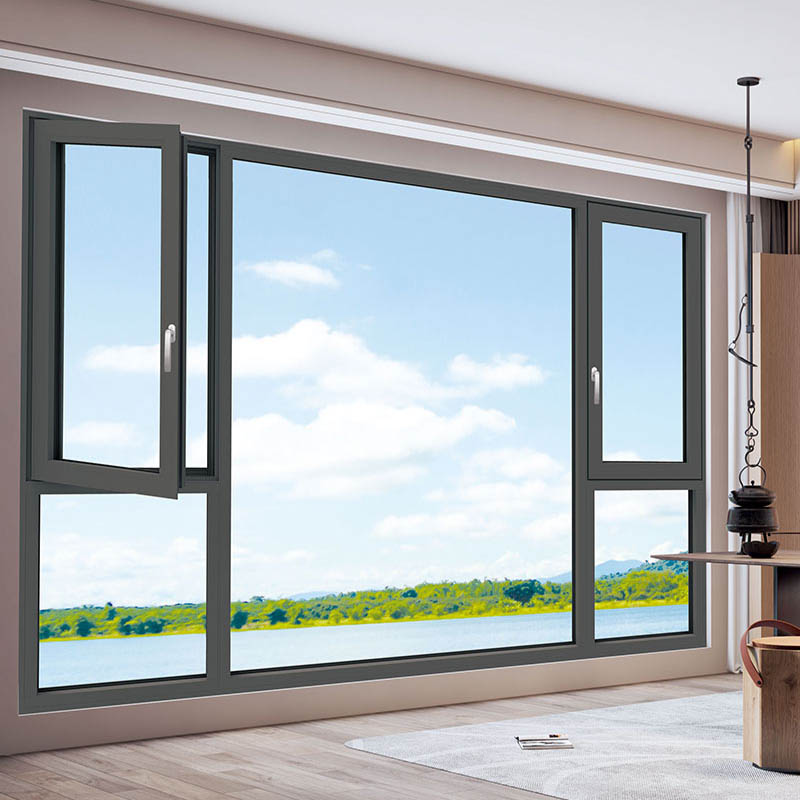
Hardware and security features are paramount for the functionality and safety of tilt-and-turn or micro-ventilation windows. The selection process must include an evaluation of the hinge and locking mechanisms. High-performance, multi-point locking systems ensure a tight seal when the window is closed, which is crucial for both energy efficiency and security. The hardware should be made of corrosion-resistant materials and capable of supporting the weight of the sash without sagging over time. For households with children, integrating child-safety locks or restricted opening devices is a necessary consideration to prevent accidental falls while still allowing for safe ventilation.
Water and air tightness are fundamental performance metrics that must be verified through standardized testing. The window system should demonstrate excellent resistance to wind-driven rain and air infiltration, especially around the micro-ventilation inlet. Proper drainage design is essential to prevent water accumulation within the frame. Hidden drainage systems are often preferred as they maintain the sleek aesthetic of the window while effectively channeling water to the exterior. The selection should also consider the acoustic performance of the unit, as the continuous air pathway of a micro-vent can potentially transmit external noise. Acoustic baffles or specialized ventilation channels can mitigate this issue, making the window suitable for urban environments.
Aesthetic and architectural compatibility should not be overlooked. The profile thickness, color, and finish of the window frame must complement the building's design. Powder-coated or anodized finishes offer superior durability and color retention, particularly in coastal or high-pollution areas. The visual sightlines of the frame should be evaluated to ensure they meet the desired architectural aesthetic, whether that is a slim, minimalist profile or a more traditional, robust frame.
Finally, the selection process must account for installation requirements and long-term maintenance. Even the highest-performing window will fail if installed incorrectly. Buyers should choose suppliers and installers who provide comprehensive site surveys, precise measurements, and certified installation services. The warranty offered by the manufacturer is a strong indicator of product confidence and should cover the frame, hardware, and glass unit for a substantial period. Maintenance considerations, such as the ease of cleaning the exterior glass from the inside via the tilt-and-turn function and the accessibility of the micro-vent filters, should be factored into the final decision to ensure the window system remains functional and efficient throughout its lifespan.