




How to improve the corrosion resistance and extend the service life of thermal break aluminum sliding windows with screens in high-salt-fog coastal environments?
Release Time : 2026-06-02
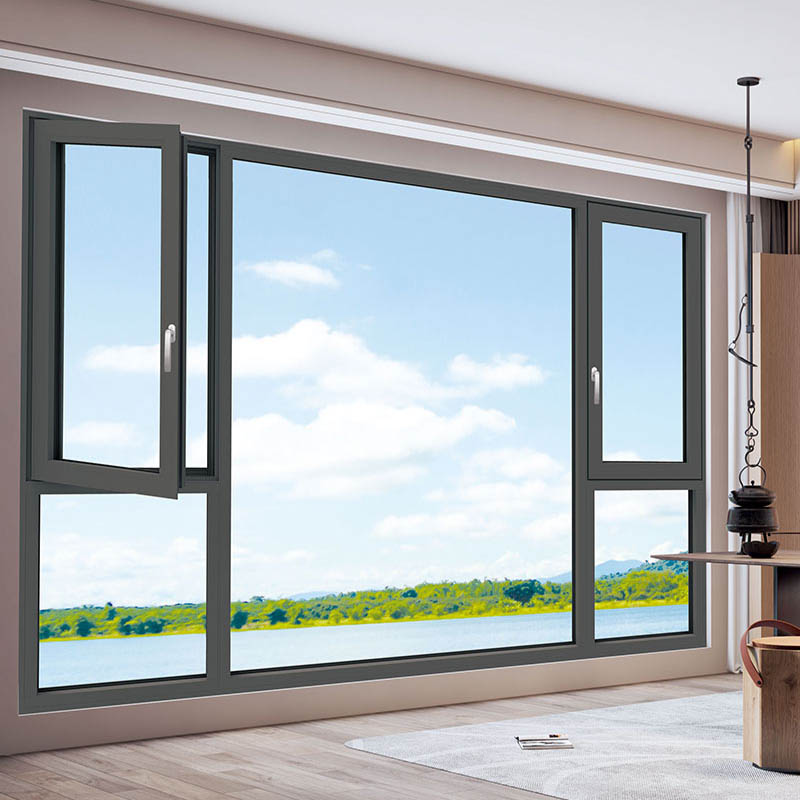
In modern building window systems, thermal break aluminum sliding windows with screens are widely used in residential, hotel, commercial, and seaside projects due to their excellent thermal insulation, good ventilation, and aesthetic appeal. Especially in coastal areas, where high concentrations of salt spray, water vapor, and ultraviolet radiation are present in the air, window materials are more susceptible to corrosion. Salt accelerates metal surface oxidation, causing profiles to lose their luster, hardware to rust, and sealing performance to decline, thus affecting the service life and overall performance of the windows.
1. Improve the surface protection of aluminum alloy profiles
Aluminum alloy profiles are the main component of window and door structures, and their surface protection level directly determines their corrosion resistance. In high-salt-fog coastal environments, ordinary surface treatment methods are insufficient for long-term use. Therefore, more and more window and door products are adopting high-performance surface treatment processes to enhance the density and adhesion of the surface protective layer, thereby improving their resistance to salt spray and humid air. Optimized profile surfaces not only effectively isolate corrosive media but also maintain long-term stable appearance quality, reducing fading and oxidation.
2. Optimizing the Thermal Break Structure to Reduce Corrosion Propagation
The thermal break aluminum structure not only provides thermal insulation but also affects overall durability. Improper treatment at the connection areas of different materials can easily create corrosion-sensitive areas. Therefore, the design process needs to optimize the thermal break connection structure, improve the bonding stability between the thermal break strip and the aluminum profile, and reduce the formation of gaps and water accumulation areas. Simultaneously, a well-designed drainage path ensures timely drainage of rainwater and condensate, preventing long-term moisture retention, thereby reducing corrosion risk and improving overall structural stability.
3. Enhancing the Corrosion Resistance of Hardware Components
The rollers, locks, guide rails, and connectors of sliding windows are in a state of frequent movement and are the most susceptible to salt spray corrosion. If the hardware corrodes, it not only affects the smoothness of sliding but also reduces the safety performance of the doors and windows. Therefore, hardware materials with excellent corrosion resistance should be prioritized, and surface protection treatments should be used to improve their salt spray resistance. Meanwhile, optimizing the hardware structure design to reduce moisture retention and pollutant accumulation also helps extend the service life of components.
4. Improve the weather resistance of screen systems
As an important component of doors and windows, screens also need to adapt to the complex coastal environment. If the weather resistance of the mesh or frame material is insufficient, problems such as aging, deformation, and decreased strength are likely to occur. Therefore, it is necessary to select mesh materials with good corrosion resistance and UV resistance to improve their long-term stability. At the same time, strengthening the screen frame structure design improves its wind resistance and weather resistance, allowing the screen to maintain good ventilation and protection even in high humidity and high salt spray environments.
5. Improve the sealing system to reduce corrosion risk
Good sealing performance not only improves the thermal insulation effect of doors and windows but also reduces the entry of external salt spray and humid air into the window structure. In coastal areas, doors and windows need to use high-performance sealing strips and sealing structures to improve airtightness and watertightness. By reducing the chance of salt and moisture entering the internal structure, the thermal break structure and hardware system can be effectively protected, reducing the probability of internal corrosion. At the same time, stable sealing performance also helps improve the overall energy efficiency and living comfort of doors and windows.
6. Establish a Scientific Maintenance Mechanism to Extend Service Life
Besides optimized product design, proper maintenance is equally important. In coastal environments, salt and pollutants easily accumulate on door and window surfaces, accelerating corrosion if not cleaned regularly. Therefore, regular cleaning of door and window surfaces, rails, and screen systems is necessary to promptly remove any adhering salt spray residue. Simultaneously, regular inspection of hardware and seals is crucial; timely maintenance and replacement of worn or aging components helps maintain the long-term stable operation of doors and windows.
In conclusion, by improving the surface protection of aluminum alloy profiles, optimizing the thermal break structure design, strengthening the corrosion resistance of hardware, enhancing the weather resistance of screen systems, improving sealing systems, and establishing a scientific maintenance mechanism, the corrosion resistance of thermal break aluminum sliding windows with screens in high-salt-spray coastal environments can be effectively improved, extending product lifespan and providing buildings with more durable, safe, and comfortable door and window solutions.
1. Improve the surface protection of aluminum alloy profiles
Aluminum alloy profiles are the main component of window and door structures, and their surface protection level directly determines their corrosion resistance. In high-salt-fog coastal environments, ordinary surface treatment methods are insufficient for long-term use. Therefore, more and more window and door products are adopting high-performance surface treatment processes to enhance the density and adhesion of the surface protective layer, thereby improving their resistance to salt spray and humid air. Optimized profile surfaces not only effectively isolate corrosive media but also maintain long-term stable appearance quality, reducing fading and oxidation.
2. Optimizing the Thermal Break Structure to Reduce Corrosion Propagation
The thermal break aluminum structure not only provides thermal insulation but also affects overall durability. Improper treatment at the connection areas of different materials can easily create corrosion-sensitive areas. Therefore, the design process needs to optimize the thermal break connection structure, improve the bonding stability between the thermal break strip and the aluminum profile, and reduce the formation of gaps and water accumulation areas. Simultaneously, a well-designed drainage path ensures timely drainage of rainwater and condensate, preventing long-term moisture retention, thereby reducing corrosion risk and improving overall structural stability.
3. Enhancing the Corrosion Resistance of Hardware Components
The rollers, locks, guide rails, and connectors of sliding windows are in a state of frequent movement and are the most susceptible to salt spray corrosion. If the hardware corrodes, it not only affects the smoothness of sliding but also reduces the safety performance of the doors and windows. Therefore, hardware materials with excellent corrosion resistance should be prioritized, and surface protection treatments should be used to improve their salt spray resistance. Meanwhile, optimizing the hardware structure design to reduce moisture retention and pollutant accumulation also helps extend the service life of components.
4. Improve the weather resistance of screen systems
As an important component of doors and windows, screens also need to adapt to the complex coastal environment. If the weather resistance of the mesh or frame material is insufficient, problems such as aging, deformation, and decreased strength are likely to occur. Therefore, it is necessary to select mesh materials with good corrosion resistance and UV resistance to improve their long-term stability. At the same time, strengthening the screen frame structure design improves its wind resistance and weather resistance, allowing the screen to maintain good ventilation and protection even in high humidity and high salt spray environments.
5. Improve the sealing system to reduce corrosion risk
Good sealing performance not only improves the thermal insulation effect of doors and windows but also reduces the entry of external salt spray and humid air into the window structure. In coastal areas, doors and windows need to use high-performance sealing strips and sealing structures to improve airtightness and watertightness. By reducing the chance of salt and moisture entering the internal structure, the thermal break structure and hardware system can be effectively protected, reducing the probability of internal corrosion. At the same time, stable sealing performance also helps improve the overall energy efficiency and living comfort of doors and windows.
6. Establish a Scientific Maintenance Mechanism to Extend Service Life
Besides optimized product design, proper maintenance is equally important. In coastal environments, salt and pollutants easily accumulate on door and window surfaces, accelerating corrosion if not cleaned regularly. Therefore, regular cleaning of door and window surfaces, rails, and screen systems is necessary to promptly remove any adhering salt spray residue. Simultaneously, regular inspection of hardware and seals is crucial; timely maintenance and replacement of worn or aging components helps maintain the long-term stable operation of doors and windows.
In conclusion, by improving the surface protection of aluminum alloy profiles, optimizing the thermal break structure design, strengthening the corrosion resistance of hardware, enhancing the weather resistance of screen systems, improving sealing systems, and establishing a scientific maintenance mechanism, the corrosion resistance of thermal break aluminum sliding windows with screens in high-salt-spray coastal environments can be effectively improved, extending product lifespan and providing buildings with more durable, safe, and comfortable door and window solutions.