


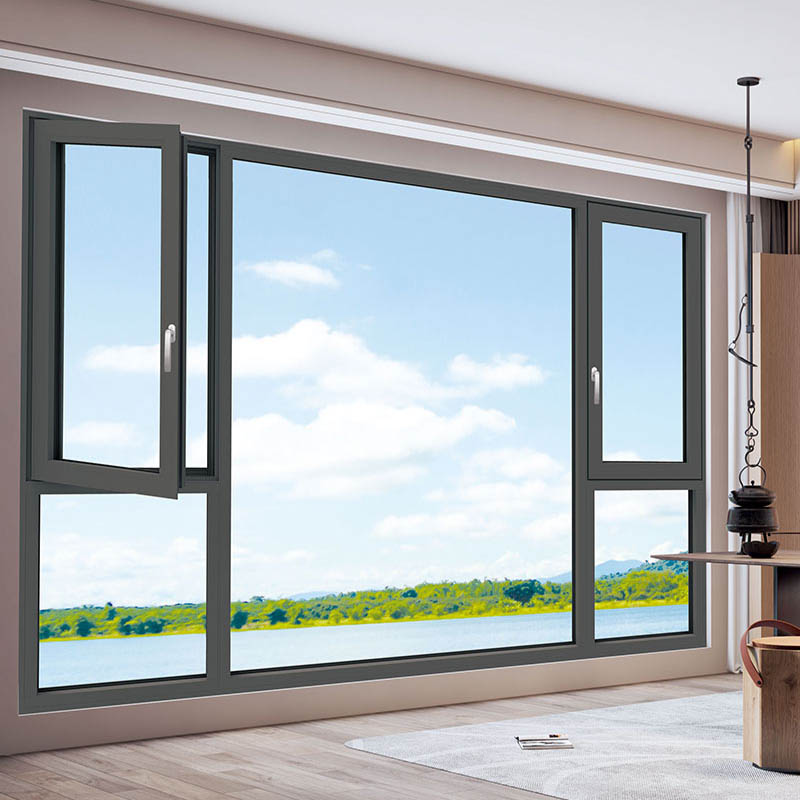


Why are thermal break windows with ventilation ideal for humid climates?
Release Time : 2026-04-23
In regions characterized by high humidity, such as subtropical zones or coastal areas, the battle against moisture is a constant challenge for homeowners. The comfort of a living space is often compromised not just by heat, but by the oppressive stickiness of humid air that infiltrates the home. In these environments, the choice of fenestration plays a critical role in maintaining a healthy and comfortable indoor atmosphere. Thermal break aluminum windows equipped with micro-ventilation systems have emerged as the ideal solution for these specific climatic conditions. By combining superior moisture resistance with intelligent airflow management, these windows address the dual threats of structural degradation and poor indoor air quality.
The foundation of this solution lies in the material properties of aluminum itself. Unlike timber, which is porous and susceptible to swelling, warping, and rotting when exposed to moisture, aluminum is inherently hydrophobic. It does not absorb water, meaning it will not degrade, mold, or lose its structural integrity even in the most saturated environments. This makes it the superior choice for the window frames in humid climates. However, standard aluminum is a highly conductive metal, which can lead to thermal bridging. This is where the thermal break technology becomes essential. By inserting a non-conductive barrier, typically made of polyamide, between the interior and exterior aluminum profiles, the window effectively blocks the transfer of heat and cold.
This thermal isolation is crucial for preventing condensation, a pervasive issue in humid areas. Condensation occurs when warm, moisture-laden air comes into contact with a cold surface, causing the water vapor to turn into liquid. In a standard window without a thermal break, the interior frame can become significantly colder than the room temperature, acting as a magnet for condensation. This accumulation of water promotes the growth of black mold and mildew, which pose serious health risks to occupants. The thermal break ensures that the interior face of the window frame remains close to the ambient room temperature, thereby eliminating the cold surface that triggers condensation.
While the thermal break prevents the window from becoming a source of moisture, the micro-ventilation system actively manages the humidity levels within the room. High-performance windows are designed to be airtight to maximize energy efficiency, but this airtightness can trap stale, humid air inside. Daily activities such as cooking, showering, and breathing release significant amounts of moisture into the indoor environment. Without a way to escape, this humidity rises, leading to a stuffy atmosphere and potential damage to walls and furnishings. Micro-vents, often integrated as trickle vents at the top of the frame, allow for a continuous, controlled exchange of air without the need to open the window fully.
The micro-ventilation feature allows damp air to filter out while fresh, drier air is drawn in, effectively regulating the indoor relative humidity. This constant airflow is vital for preventing the stagnation that leads to musty odors and allergen buildup. Furthermore, these vents are designed to maintain the thermal and acoustic insulation of the window. Unlike a fully opened window, which exposes the interior to the full force of the outdoor climate and noise pollution, a micro-vent provides a subtle draft that refreshes the air without causing drastic temperature fluctuations or letting in excessive rain.
In humid climates, security and weather protection are also paramount, especially during storm seasons or in coastal areas prone to strong winds. Thermal break aluminum windows are renowned for their high structural strength and resistance to wind pressure. The integration of ventilation does not compromise this security. Many micro-vent systems are designed with locking mechanisms that allow for airflow even when the window is closed and locked, ensuring that the home remains secure while still breathing. Additionally, the design of these vents often includes features to prevent rain ingress, allowing for ventilation even during light showers.
The durability of the finish on these aluminum windows further enhances their suitability for humid and coastal regions. High-quality aluminum windows are treated with processes such as powder coating or fluorocarbon spraying, which provide exceptional resistance to corrosion and salt spray. In a humid environment where rust is a common enemy of steel or iron fixtures, the corrosion-resistant nature of treated aluminum ensures that the windows retain their aesthetic appeal and functionality for decades. This longevity is a key economic and practical advantage over materials that require frequent maintenance or replacement.
Energy efficiency is another significant benefit that intersects with humidity control. In hot and humid climates, air conditioning is often run continuously to dehumidify and cool the air. Opening a window to vent moisture would typically result in a massive loss of cooled air, forcing the HVAC system to work harder and increasing energy bills. The thermal break window minimizes heat gain from the outside, keeping the interior cool, while the micro-vent allows for necessary air exchange with minimal impact on the indoor temperature. This balance allows homeowners to maintain a fresh environment without sacrificing energy performance.
The synergy between the thermal break and the ventilation system creates a holistic barrier against the elements. The frame prevents the physical formation of water on the glass and metal, while the vent manages the water vapor suspended in the air. This comprehensive approach protects the building envelope. It prevents the peeling of paint on window sills and the deterioration of drywall, issues that are rampant in poorly ventilated, humid homes. By stabilizing the indoor environment, these windows protect the overall value of the property.
Ultimately, for homes situated in humid climates, the installation of thermal break aluminum windows with micro-ventilation is an investment in health, comfort, and durability. They offer a robust defense against the corrosive and damaging effects of moisture while providing the intelligent airflow necessary for a healthy living space. By keeping the interior dry, thermally stable, and fresh, these windows transform a challenging climate into a comfortable sanctuary, proving that modern engineering can successfully harmonize indoor living with the outdoor environment.
The foundation of this solution lies in the material properties of aluminum itself. Unlike timber, which is porous and susceptible to swelling, warping, and rotting when exposed to moisture, aluminum is inherently hydrophobic. It does not absorb water, meaning it will not degrade, mold, or lose its structural integrity even in the most saturated environments. This makes it the superior choice for the window frames in humid climates. However, standard aluminum is a highly conductive metal, which can lead to thermal bridging. This is where the thermal break technology becomes essential. By inserting a non-conductive barrier, typically made of polyamide, between the interior and exterior aluminum profiles, the window effectively blocks the transfer of heat and cold.
This thermal isolation is crucial for preventing condensation, a pervasive issue in humid areas. Condensation occurs when warm, moisture-laden air comes into contact with a cold surface, causing the water vapor to turn into liquid. In a standard window without a thermal break, the interior frame can become significantly colder than the room temperature, acting as a magnet for condensation. This accumulation of water promotes the growth of black mold and mildew, which pose serious health risks to occupants. The thermal break ensures that the interior face of the window frame remains close to the ambient room temperature, thereby eliminating the cold surface that triggers condensation.
While the thermal break prevents the window from becoming a source of moisture, the micro-ventilation system actively manages the humidity levels within the room. High-performance windows are designed to be airtight to maximize energy efficiency, but this airtightness can trap stale, humid air inside. Daily activities such as cooking, showering, and breathing release significant amounts of moisture into the indoor environment. Without a way to escape, this humidity rises, leading to a stuffy atmosphere and potential damage to walls and furnishings. Micro-vents, often integrated as trickle vents at the top of the frame, allow for a continuous, controlled exchange of air without the need to open the window fully.
The micro-ventilation feature allows damp air to filter out while fresh, drier air is drawn in, effectively regulating the indoor relative humidity. This constant airflow is vital for preventing the stagnation that leads to musty odors and allergen buildup. Furthermore, these vents are designed to maintain the thermal and acoustic insulation of the window. Unlike a fully opened window, which exposes the interior to the full force of the outdoor climate and noise pollution, a micro-vent provides a subtle draft that refreshes the air without causing drastic temperature fluctuations or letting in excessive rain.
In humid climates, security and weather protection are also paramount, especially during storm seasons or in coastal areas prone to strong winds. Thermal break aluminum windows are renowned for their high structural strength and resistance to wind pressure. The integration of ventilation does not compromise this security. Many micro-vent systems are designed with locking mechanisms that allow for airflow even when the window is closed and locked, ensuring that the home remains secure while still breathing. Additionally, the design of these vents often includes features to prevent rain ingress, allowing for ventilation even during light showers.
The durability of the finish on these aluminum windows further enhances their suitability for humid and coastal regions. High-quality aluminum windows are treated with processes such as powder coating or fluorocarbon spraying, which provide exceptional resistance to corrosion and salt spray. In a humid environment where rust is a common enemy of steel or iron fixtures, the corrosion-resistant nature of treated aluminum ensures that the windows retain their aesthetic appeal and functionality for decades. This longevity is a key economic and practical advantage over materials that require frequent maintenance or replacement.
Energy efficiency is another significant benefit that intersects with humidity control. In hot and humid climates, air conditioning is often run continuously to dehumidify and cool the air. Opening a window to vent moisture would typically result in a massive loss of cooled air, forcing the HVAC system to work harder and increasing energy bills. The thermal break window minimizes heat gain from the outside, keeping the interior cool, while the micro-vent allows for necessary air exchange with minimal impact on the indoor temperature. This balance allows homeowners to maintain a fresh environment without sacrificing energy performance.
The synergy between the thermal break and the ventilation system creates a holistic barrier against the elements. The frame prevents the physical formation of water on the glass and metal, while the vent manages the water vapor suspended in the air. This comprehensive approach protects the building envelope. It prevents the peeling of paint on window sills and the deterioration of drywall, issues that are rampant in poorly ventilated, humid homes. By stabilizing the indoor environment, these windows protect the overall value of the property.
Ultimately, for homes situated in humid climates, the installation of thermal break aluminum windows with micro-ventilation is an investment in health, comfort, and durability. They offer a robust defense against the corrosive and damaging effects of moisture while providing the intelligent airflow necessary for a healthy living space. By keeping the interior dry, thermally stable, and fresh, these windows transform a challenging climate into a comfortable sanctuary, proving that modern engineering can successfully harmonize indoor living with the outdoor environment.